

It’s possible to create a simple balance sheet in Excel by reviewing the above liability types https://prodiathecro.com/bookkeeping-services-near-me-cpa-reviewed-flat/ and including those relevant to your business. Only include the amount owing for the accounting cycle you’re reviewing — the past financial year, quarter, or month. In a business scenario, a liability is an obligation payable to a third party. It may or may not be a legal obligation and arises from transactions and events that occurred in the past. It is usually payable to an external party (e.g. lenders, long-term loans).
Cost of Goods Sold (COGS) Accounting
- As liabilities increase, they may affect a company’s financial health and stability.
- As you can see, owner or shareholder equity is what is left over when the value of a company’s total liabilities are subtracted from the value of its assets.
- The income statement is also referred to as the profit and loss statement, P&L, statement of income, and the statement of operations.
- FASB Statement of Financial Accounting Standards No. 5 requires any obscure, confusing or misleading contingent liabilities to be disclosed until the offending quality is no longer present.
- You can calculate your total liabilities by adding your short-term and long-term debts.
If the net realizable value of the inventory is less than the actual cost of the inventory, it is often necessary to reduce the inventory accounting for liabilities amount. You can access a corporation’s Form 10-K by going to the Investor Relations section of the corporation’s website. You can learn more about inventory and the related cost flows by visiting our Inventory and Cost of Goods Sold Explanation.
ai quantum canada Elevate your portfolio through advanced analytics and intelligent automation.
- When a business borrows money, the obligations to repay the principal amount, as well as any interest accrued, are recorded on the balance sheet as liabilities.
- Even the tax authorities could be considered a creditor if you owe them.
- The ordering system is based on how close the payment date is, so a liability with a near-term maturity date will be listed higher up in the section (and vice versa).
- The most common accounting standards are the International Financial Reporting Standards (IFRS).
- You’ll pay them interest over time and return the principal amount when the bond matures.
- Long-term liabilities are often incurred when assets are purchased, large amounts are borrowed for replacement, expansion purposes etc.
- The amount of goodwill is the cost to purchase the business minus the fair market value of the tangible assets, the intangible assets that can be identified, and the liabilities obtained in the purchase.
Short-term loans payable

These are usually due more than a year from now, but they still need to be tracked so clients can plan ahead. You’ll look at these often when checking a client’s short-term financial health or planning for cash flow. But there are other calculations that involve liabilities that you might perform—to analyze them and make sure your cash isn’t constantly tied up in paying off your debts. Current liabilities are those liabilities or obligations which are due within a year. These liabilities are extremely tricky to manage because as these are due within a year, the management of the company needs to ensure that it possesses ample liquidity to pay current liabilities.
- You would classify a liability as a current liability if you expect to liquidate the obligation within one year.
- Liability accounts are classified within the liabilities section of the balance sheet as either current liabilities or long-term liabilities.
- This indicates how much of a corporation’s assets are financed by lenders/creditors as opposed to purchased with owners’ or stockholders’ funds.
- They are indispensable for preparing accurate financial statements, which are vital for investors, managers, and other stakeholders to assess the financial position and performance of a company.
- Current liabilities are used as a key component in several short-term liquidity measures.
Planning for Future Obligations

As they use the service monthly, part of this amount becomes earned income. If not managed well, this debt can hurt your credit score and make it harder to get loans in the future. Properly managing these debts can improve your financial stability over time. Understanding “what liabilities are” is a big step in better managing money. Liabilities affect your net worth and financial stability, whether you’re running a company or handling your budget. Understanding your company’s liabilities will give you the full story behind your company’s finances and how much total debt you’ve incurred.
Understanding Liabilities in Accounting: Definition, Types and Examples

Costly items, such as vehicles, equipment, and computer systems, are not expensed, but are depreciated or written off over the life expectancy of the item. In this Accounting Basics tutorial I discuss the five account types in the Chart of Accounts. I define each account type, discuss its unique characteristics, and provide examples. A liability is not a liability of an enterprise until something happens to make it a liability of that enterprise. According to Institute of Chartered Accountants of India, liability is “the assets = liabilities + equity financial obligation of an enterprise other than owners’ funds”.
Capital
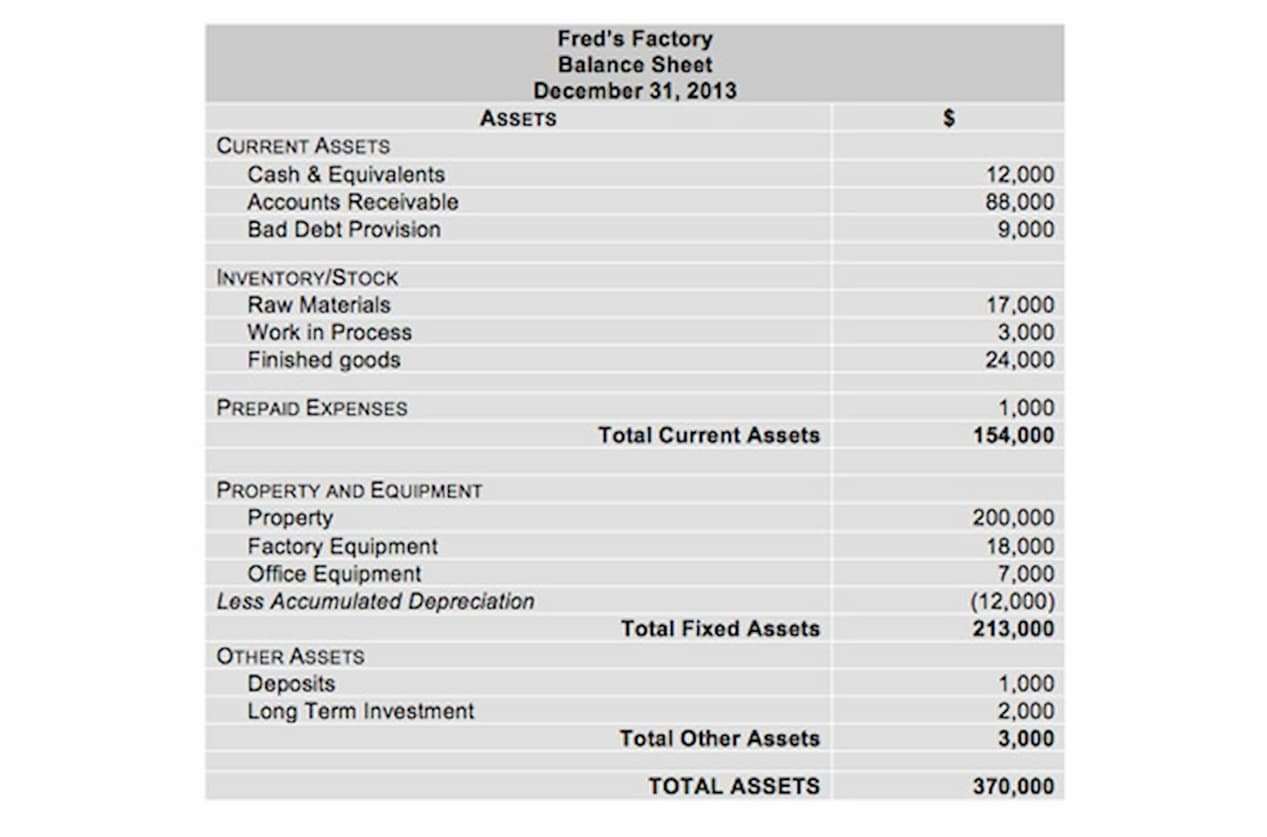
Capital refers to the net interest in the company and is equal to total assets minus total liabilities. A. Current liabilities – A liability is considered current if it is due within 12 months after the end of the balance sheet date. Assets refer to resources owned and controlled by the entity as a result of past transactions and events, from which future economic benefits are expected to flow to the entity. In simple terms, assets are properties or rights owned by the business. Liabilities are typically present in the statement of cash flows, which shows the inflows and outflows of cash and cash equivalents during a specific period, such as a year.